All Categories
Featured

Vital Strategic Tips for Empowering Corporate R&D
Table of Contents
Cities that execute a structured municipal digital improvement technique gain better spending plan allocation, improved resident engagement, and data-driven decision-making abilities. This is where a clear clever city roadmap becomes your competitive benefit. 15-30% Functional cost reduction through clever facilities optimization 40% Typical reduction in energy consumption with IoT tracking 3-5 years Common payback period for clever city capital financial investments 60%+ Improvement in emergency response times with integrated systems Execution Structure Smart city IoT implementation is the physical foundation upon which all analytics and resident services rest.
Without extensive IoT infrastructure, your information collection abilities stay fragmented and insights stay limited. A successful wise city guide highlights phased IoT rollout: start with high-impact usage cases (traffic management, energy monitoring, public lighting), develop robust connection networks (5G, LoRaWAN, mesh networks), and develop standardized data collection protocols. Develop combined connection through 5G networks and LoRaWAN gateways guaranteeing 99.5%+ uptime with standardized data procedures.
Perform vital decisions at the edge instantly without awaiting cloud response. 03 Combination with Existing Infrastructure Link IoT gadgets to tradition municipal systems utilizing middleware that bridges old and brand-new innovation. Maintain working infrastructure investments while improving information collection capabilities. Your IoT release directly impacts the quality of insights your wise city technique can deliver.
Data Intelligence Raw sensor information is worthless without a powerful data platform to aggregate, procedure, and change it into actionable intelligence. Your smart city facilities requires a central information hub that gathers information from countless sourcesIoT sensing units, traffic video cameras, weather stations, person apps, energy systemsand combines it in formats that analytics and AI models can consume immediately.
Forecasting the Corporate Tech Landscape of 2026
Cities that develop correct data structures see decision-making cycles compress from weeks to minutes. Traffic optimization algorithms lower blockage by 20-35%, predictive maintenance systems cut facilities failures by 40%, and citizen service platforms improve reaction fulfillment from 65% to 85%+. Reserve a demonstration to understand how enterprise information platforms power world-class wise city operations.
Enable any department to query city data without friction or information silos. Real-Time Analytics and Decision Assistance Deploy streaming analytics that process inbound data continuously, determining patterns and abnormalities within seconds for immediate operational improvements. Predictive AI Models for Urban Planning Build machine finding out designs that anticipate facilities demand, resident service requirements, and resource requirements.
Key Tips for Leading Complex Tech TransformationThe difference in between a struggling wise city application and a flourishing one typically comes down to information platform quality. Cities investing 25-30% of smart city budget plans on data infrastructure see 3-4x quicker time-to-value compared to those cutting corners.
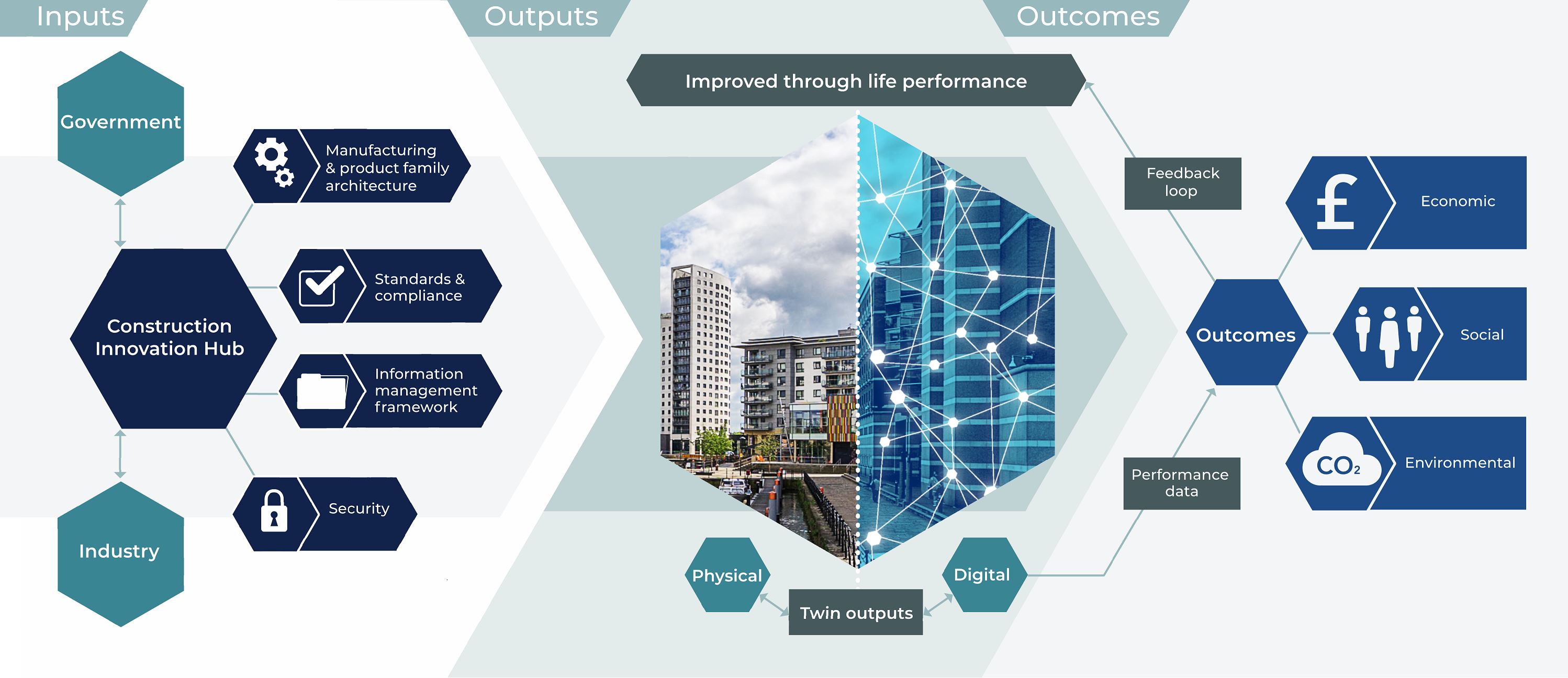
The proven technique divides clever city development into distinct stages, each providing quantifiable worth and creating momentum for the next stage. Phase 1 Structure and Preparation (Months 1-6) Establish your smart city strategy structure by recognizing priority usage cases aligned with city goals. Conduct thorough evaluations of existing facilities, determine IoT release locations, and construct stakeholder alignment throughout departments and citizen groups.
Result: Approved clever city roadmap with clear outcomes and stakeholder buy-in Phase 2 Pilot Implementation and Quick Wins (Months 6-12) Introduce preliminary clever city executions in 1-2 high-impact domains (traffic management, parking, street lighting). Deploy IoT sensing units in chosen locations, develop connectivity infrastructure, construct initial information platform, and develop very first control panels.
Key Strategic Insights to Empowering Enterprise R&D
Outcome: Pilot success showing 15-25% functional enhancement and user adoption above 40% Phase 3 Platform Expansion and Combination (Months 12-18) Scale successful pilots across the entire city. Broaden IoT deployment to all planned locations, integrate additional data sources (energies, emergency situation services, preparing systems), and enhance analytics designs with additional predictive abilities.
Result: City-wide wise city platform with integrated services and measurable ROI accomplishment Stage 4 Optimization and Advanced Abilities (Months 18-24) Fine-tune operations through continuous optimization, advanced AI model improvement, and person feedback integration. Carry out advanced cross-domain optimization that substances performance gains. Introduce brand-new services: environmental monitoring dashboards, real-time spending plan tracking, and predictive resource allotment.

Cities following phased application total jobs 35% faster, remain within spending plan 80% of the time, and achieve 60%+ higher citizen adoption compared to huge bang methods. Citizen Engagement Smart city facilities is successful or fails based upon citizen adoption and complete satisfaction. The very best information and analytics indicate nothing if people do not comprehend city services, can't access them quickly, or don't trust federal government with their info.

Latest Posts

Key Tips for Leading Complex Digital Transformation

Analyzing Next Phase of Corporate Digital Transformation
Smart Computing and a Future of Enterprise R&D